Need Stable & Accurate Temperature Data? Why Pt100/Pt1000 RTDs Are Your Best Bet

In the world of temperature measurement, not all sensors are created equal. Thermocouples drift. Thermistors have narrow ranges. Infrared devices get blocked by dust or steam. When you need stable, repeatable, and accurate temperature data day after day, year after year, one technology stands above the rest: the Pt100 and Pt1000 RTD.
But what makes RTDs so reliable? And how do you choose the right one for your application? Let us answer the questions you are probably already asking.
What Exactly Is an RTD and Why Does It Matter?
An RTD, or Resistance Temperature Detector, works on a simple but brilliant principle. The electrical resistance of a metal increases predictably as temperature rises. By measuring that resistance, you get a highly accurate temperature reading.
Platinum RTD Sensors are the gold standard in this technology. Platinum offers exceptional linearity, stability, and repeatability. Unlike thermocouples, which can drift significantly over time, Platinum RTD Sensors maintain their calibration for years. Unlike thermistors, which lose accuracy outside a narrow band, Platinum RTD Sensors deliver reliable performance across a wide range from -200°C to +850°C.
If you are asking "Why platinum instead of nickel or copper?" the answer is simple: platinum does not corrode or oxidize easily. It provides the most consistent resistance temperature relationship. That is why Platinum RTD Sensors are the preferred choice in laboratories, pharmaceutical plants, food processing facilities, and petrochemical refineries worldwide.
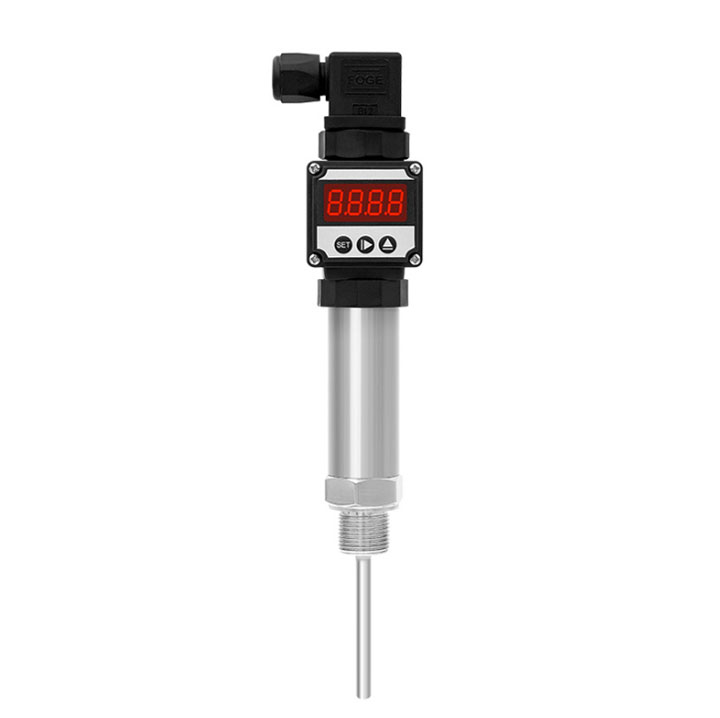
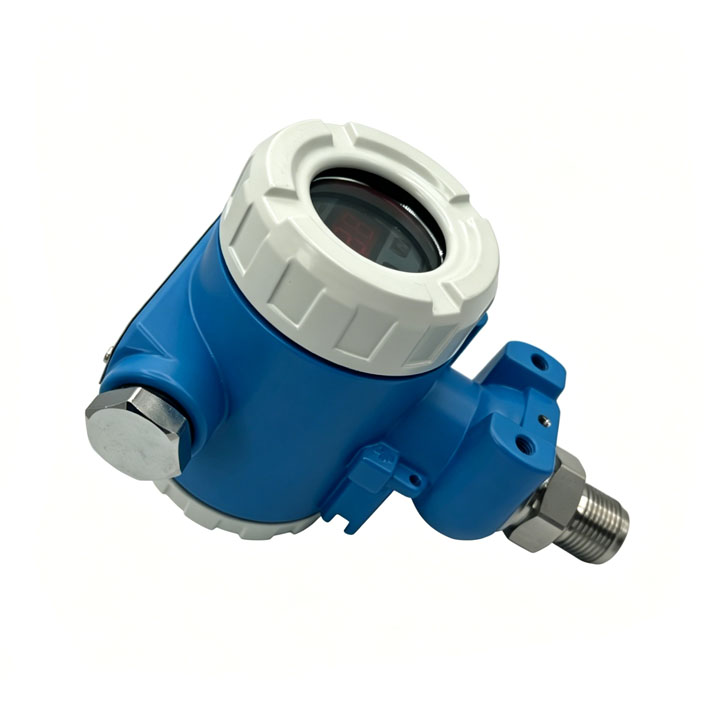
But a sensor element alone is not enough. For this Platinum RTD Sensors solution to work reliably in real world conditions, it must be paired with robust Industrial Process Control features and a protective Waterproof Junction Box. All three come together as one complete, ready to install package.
What Accuracy Can I Expect?
Accuracy is probably your top concern. The short answer is: excellent. A Class A Pt100 Platinum RTD Sensors assembly offers accuracy of ±0.15°C. A Class B offers ±0.3°C. For comparison, a standard thermocouple is typically ±1°C to ±2.5°C.
But accuracy alone is not the whole story. Stability matters just as much. A Platinum RTD Sensors solution might drift only 0.05°C per year. A thermocouple might drift several degrees in the same period. Over the life of your equipment, that difference is enormous.
To achieve this stability in industrial environments, the Industrial Process Control design of the complete assembly is critical. Proper shielding, wiring, and termination all fall under Industrial Process Control best practices. And to keep moisture and contaminants away from those critical connections, a Waterproof Junction Box is essential.
So when you ask "How accurate is accurate enough for my process?" the answer depends on your application. For HVAC monitoring, ±0.3°C is fine. For pharmaceutical or laboratory work, you will want the ±0.15°C version. Either way, this Platinum RTD Sensors solution delivers, supported by Industrial Process Control engineering and sealed in a Waterproof Junction Box.
How Do I Choose Between Pt100 and Pt1000?
This is one of the most common questions. Pt100 means the sensor has 100 ohms of resistance at 0°C. Pt1000 means 1000 ohms at 0°C. Which is better?
The answer depends on your measurement system. Pt100 sensors are the industry standard. They work with almost every temperature transmitter and PLC on the market. Pt1000 sensors have higher resistance, which means less error from lead wire resistance. They are ideal for applications with long cable runs where you cannot use a three wire or four wire configuration.
Regardless of which you choose, the complete assembly includes the same rugged Waterproof Junction Box and follows the same Industrial Process Control guidelines. Your Platinum RTD Sensors choice should match your existing instrumentation, but the housing and connection protection remain consistent.
Can RTDs Survive Harsh Industrial Environments?
This is another critical question. Temperature sensors do not live in clean labs. They live in engine rooms, outdoor weather stations, chemical plants, and food processing lines. They get wet, dirty, and vibrated.
The good news is that Platinum RTD Sensors are extremely rugged when properly housed. The sensing element itself is delicate, but the packaging makes all the difference. For Industrial Process Control applications, the RTD should be installed in a protective thermowell. A thermowell isolates the sensor from the process media while allowing heat to transfer efficiently.
But the housing is only part of the solution. The electrical connection is equally important. This is where the included Waterproof Junction Box becomes essential. This Waterproof Junction Box protects the delicate wiring connections from moisture, dust, and corrosive vapors. For outdoor installations or washdown environments, the Waterproof Junction Box comes with an IP66 or IP67 rating that is non negotiable for reliability.
So if you are asking "Will an RTD survive in my plant?" the answer is yes, provided you use this complete solution. The Platinum RTD Sensors element provides the accuracy. The Industrial Process Control design ensures compatibility and robustness. The Waterproof Junction Box keeps the connections safe. All three work together.
How Do I Install and Wire This Complete RTD Assembly?
Installation questions are very common. RTDs come in two, three, or four wire configurations. Two wire is the simplest but least accurate because lead wire resistance adds error. Three wire is the industry standard for most Industrial Process Control applications. It cancels out lead wire resistance errors. Four wire offers the highest accuracy for laboratory or calibration work.
The Waterproof Junction Box simplifies installation. It provides ample space for wiring, clear terminal markings, and sturdy cable glands. When installing, always use shielded cable to prevent electrical noise from affecting your signal. Keep the Waterproof Junction Box as close to the sensor as practical. The junction box should be mounted where it is accessible but protected from physical damage.
Many users ask "Do I need special tools to install this Platinum RTD Sensors assembly?" No. Basic hand tools are sufficient. However, you should never pull on the sensor wires. Always handle the complete assembly by the probe or the Waterproof Junction Box.
What Is the Response Time?
Response time is another frequent question. RTDs are slower than thermocouples. A bare Platinum RTD Sensors element might respond in 0.5 seconds. But once installed in a thermowell, response time increases to 2 to 10 seconds depending on the thermowell material and wall thickness.
If you ask "Is this fast enough for my process?" consider your application. For most Industrial Process Control applications like tank temperature monitoring or HVAC control, a few seconds is perfectly fine. For fast moving fluid streams or engine exhaust monitoring, you might need a thinner wall thermowell.
The Waterproof Junction Box does not affect response time, but it does affect long term reliability. A sealed Waterproof Junction Box ensures that moisture never compromises your connection, which means your signal stays clean and your data stays accurate.
How Long Will This RTD Assembly Last?
Longevity concerns every engineer. A properly installed and protected Platinum RTD Sensors assembly can last 10 to 20 years or more. The platinum element itself does not degrade. The failure points are usually the lead wires, the insulation, or the Waterproof Junction Box seals.
Regular inspection of the Waterproof Junction Box is good practice. Check that the cover seal is intact and that no moisture has entered. If your Industrial Process Control system shows erratic readings, the problem is often a loose connection in the junction box, not the Platinum RTD Sensors element itself.
So when you ask "What is the lifespan?" expect many years of service with minimal maintenance. The Waterproof Junction Box plays a key role in that longevity by keeping the environment out.
What Is the Total Cost of Ownership?
Cost is always a factor. Platinum RTD Sensors cost more than thermocouples or thermistors upfront. A basic thermocouple might cost ten dollars. A quality Platinum RTD Sensors assembly with a Waterproof Junction Box might cost more initially.
But total cost of ownership tells a different story. Thermocouples drift and need frequent replacement. Thermistors fail outside their narrow range. Platinum RTD Sensors stay accurate for years. The Waterproof Junction Box prevents moisture related failures that would otherwise take down your system. The Industrial Process Control design ensures compatibility, reducing engineering time.
Over a decade, the complete RTD assembly is often cheaper because you are not constantly buying replacements or dealing with production losses from inaccurate data. If you ask "Is the extra upfront cost worth it?" most engineers say yes. For critical Industrial Process Control applications, the stability and accuracy of this Platinum RTD Sensors solution justify the investment.
Technical Specifications
-
Sensor Element: Pt100 or Pt1000 platinum RTD
-
Temperature Range: -200°C to +850°C
-
Accuracy: Class A ±0.15°C, Class B ±0.3°C
-
Stability: <0.05°C drift per year
-
Configuration: 2 wire, 3 wire, or 4 wire
-
Thermowell Material: 316L stainless steel, Inconel, or Hastelloy
-
Junction Box: IP66 or IP67 Waterproof Junction Box included
-
Junction Box Material: Die cast aluminum or fiberglass reinforced polymer
-
Cable Entry: Two or three M20 cable glands
-
Cable: Shielded, PTFE insulated, rated to 200°C
-
Response Time: τ63 < 2 seconds (bare), < 10 seconds (with thermowell)
-
Industrial Process Control Compatibility: Standard 4-20mA, Modbus, or direct RTD input
Common Applications
This complete Platinum RTD Sensors solution is used wherever stable, accurate temperature data is required:
-
Pharmaceutical manufacturing: Fermenters, dryers, autoclaves
-
Food and beverage: Pasteurizers, ovens, cold storage
-
HVAC: Air handling units, chillers, boiler systems
-
Petrochemical: Reactors, pipelines, storage tanks
-
Power generation: Turbine bearings, generator windings, exhaust
-
Laboratory: Incubators, freezers, environmental chambers
In every case, the Waterproof Junction Box keeps connections dry. The Industrial Process Control design ensures seamless integration.
Frequently Asked Questions
Q: Can I use this RTD assembly in a vibrating environment?
A: Yes. Install the sensor in a thermowell and ensure the Waterproof Junction Box is securely mounted. The Industrial Process Control design accounts for typical industrial vibration.
A: Yes. Install the sensor in a thermowell and ensure the Waterproof Junction Box is securely mounted. The Industrial Process Control design accounts for typical industrial vibration.
Q: Do I need to calibrate this Platinum RTD Sensors assembly?
A: Factory calibration is included. For critical Industrial Process Control applications, annual verification is recommended. Many users go two to three years between calibrations.
A: Factory calibration is included. For critical Industrial Process Control applications, annual verification is recommended. Many users go two to three years between calibrations.
Q: Can I cut and extend the sensor cable?
A: Yes, but use shielded cable of the same type. Splices should be made inside the Waterproof Junction Box with proper terminal blocks.
A: Yes, but use shielded cable of the same type. Splices should be made inside the Waterproof Junction Box with proper terminal blocks.
Q: What happens if moisture gets into the Waterproof Junction Box?
A: Moisture causes erratic readings and eventual failure. That is why a quality Waterproof Junction Box is included. Check seals periodically.
A: Moisture causes erratic readings and eventual failure. That is why a quality Waterproof Junction Box is included. Check seals periodically.
Q: Is this assembly compatible with my existing PLC?
A: Almost certainly. Most PLCs have RTD input modules. If not, a transmitter inside the Waterproof Junction Box can convert the RTD signal to 4-20mA.
A: Almost certainly. Most PLCs have RTD input modules. If not, a transmitter inside the Waterproof Junction Box can convert the RTD signal to 4-20mA.
Conclusion
If you need stable, accurate temperature data that you can trust, this complete RTD solution is your best investment. The Platinum RTD Sensors element delivers laboratory grade accuracy. The Industrial Process Control design ensures compatibility with your existing systems. The Waterproof Junction Box protects the connection from moisture, dust, and corrosion.
Do not settle for drifting thermocouples or fragile thermistors. Choose the proven reliability of this integrated Pt100/Pt1000 RTD assembly. Whether you are monitoring a pharmaceutical fermenter, a food pasteurizer, or an HVAC system, this solution delivers the accuracy and stability you need.
Contact Kunlun Zhongda today. Get expert advice on selecting the right configuration for your application. Ask about our Waterproof Junction Box options for extreme environments. Let us help you get stable, accurate temperature data you can rely on.
View more from YouTube.
Struggling with HVAC Monitoring in Demanding Environments? Discover Our High-Temp Resistance Solution
Is Vibration Killing Your Temperature Readings? Discover the Armored Solution
Related blog