Why Your Gym Needs Professional Temperature & Humidity Monitoring | Wall-Mount Solution
An Overlooked Truth: Your Gym’s Air Quality Directly Impacts Member Retention
When you walk into a gym, what’s the first thing you notice? The well-organized equipment? Clean floors? The overall atmosphere? In reality, most members subconsciously notice whether the air feels comfortable first—is the temperature pleasant, is it stuffy or humid? No matter how luxurious the décor, if the air feels wrong, members won't stay.
Gym environment control is far more complex than most people realize. Dense foot traffic, high-intensity exercise, and constant heat exchange from people entering and exiting all combine to create a wildly fluctuating microclimate.
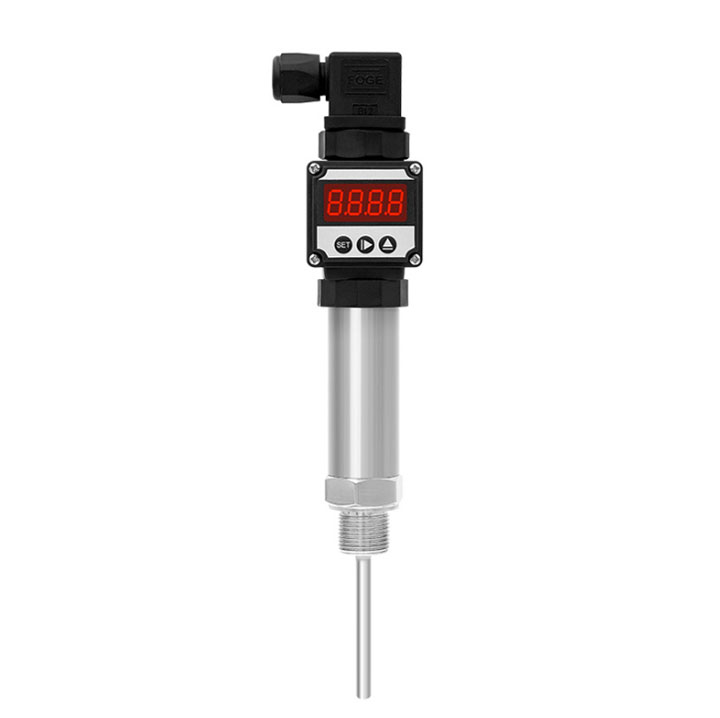
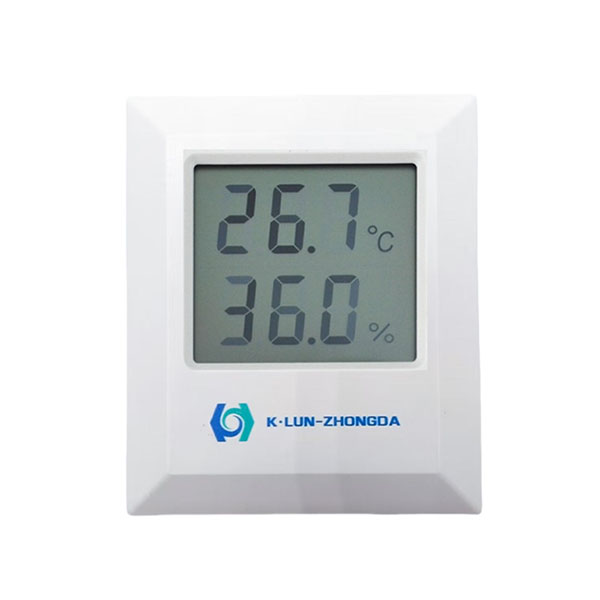
The core solution to this problem is a high-quality Temperature Humidity Sensor with Display—a device that provides clear visibility, accurate sensing, and stable control.
The Hidden Cost of Poor Temperature & Humidity Control in Gyms
Many gym managers simplify the problem to "just turn the AC up higher." This overlooks two critical facts:
First, the human body during exercise is extremely sensitive to temperature and humidity. During high-intensity activity, metabolic heat production can reach 10–15 times the resting rate. When ambient temperature exceeds 24°C (75°F) and relative humidity rises above 65%, sweat evaporation efficiency drops dramatically. Members quickly feel stuffy, fatigued, or even dizzy. This not only ruins the workout experience but also creates health risks like heat exhaustion and dehydration.
Second, uncontrolled humidity directly damages both your facility and member satisfaction. Excessively high humidity promotes bacterial growth on yoga mats and grip handles, warps wooden floors, and fogs up mirrors. Excessively low humidity causes static electricity buildup, affects electronic equipment, and leaves members feeling dry-mouthed and uncomfortable.
Industry statistics show that up to 23% of member churn is attributed to environmental discomfort—a figure that can easily determine whether a gym is profitable or not.
The Wall-Mounted All-in-One Solution: Core Technology for Accurate Monitoring
Unlike household thermometers, professional gym environment monitoring must meet three demanding requirements: real-time visibility, accurate sensing, and long-term stability. This is precisely the design purpose of a purpose-built Temperature Humidity Sensor with Display.
1. Real-Time Visibility: Let the Environment Be "Seen"
Wall-mounted temperature and humidity sensors with displays are typically deployed in key areas such as the main workout floor, group exercise studios, yoga rooms, and locker areas. The large, high-visibility screen refreshes current temperature and humidity readings in real time, delivering dual value:
-
For members: Visible data creates a subconscious sense of reassurance and trust—"this gym cares about environmental quality."
-
For managers: Readings are visible at a glance during daily walkthroughs, eliminating the need for handheld test equipment to quickly assess conditions in each zone.
2. Accurate Sensing: The Unique Gym Environment Demands Professional-Grade Precision
Basic consumer-grade thermometers and hygrometers may work in stable indoor conditions, but gyms experience drastic swings. A group fitness class can bring dozens of people into a room at once, raising temperatures by 3–5°C (5–9°F) and spiking humidity by over 20% within ten minutes. Cheap sensors respond slowly—often showing peak readings long after the class has ended, which defeats the purpose of real-time control.
Professional-grade Gym Temperature and Humidity Control solutions rely on sensors with:
-
High-precision capacitive humidity elements – response time under 10 seconds, accuracy to ±2% RH
-
High-stability NTC thermistors or Pt-type sensing elements – temperature accuracy to ±0.3°C (±0.5°F)
-
Proper ventilation in the wall-mount housing – ensures adequate airflow across sensing elements and prevents self-heating errors inside the enclosure
3. Long-Term Stability: Engineering That Minimizes Frequent Calibration
Many gyms have tried cheap temperature/humidity monitors, only to find that readings drift significantly after just three months. The HVAC system then runs based on incorrect data, wasting energy and making the environment worse. Professional-grade Precise Temperature Humidity Monitoring—the kind delivered by a quality wall-mount sensor—uses industrial-grade signal conditioning circuitry with excellent long-term zero stability. This greatly reduces field calibration frequency and lowers ongoing maintenance burdens.
Deployment Strategy: Where to Place Sensors for Maximum Benefit
Not every corner of a gym needs the same monitoring density. Based on the environmental load of different functional zones, here is a recommended deployment strategy:
|
Area
|
Environmental Characteristics
|
Recommendation
|
|---|---|---|
|
Cardio Zone
|
High occupant density, high metabolic heat, rapid humidity rise
|
One sensor per 50–80 m² (540–860 ft²), mounted at breathing-zone height (approx. 1.5m / 5ft)
|
|
Strength Training Area
|
Spread-out occupancy, intermittent high load
|
One sensor per 80–100 m² (860–1080 ft²)
|
|
Group Fitness / Yoga Studio
|
Sudden occupancy spikes, relies on HVAC for ventilation
|
One sensor per studio, placed away from direct supply air drafts
|
|
Locker Room / Pool Ante-room
|
High humidity, large temperature swings
|
One sensor per area, focused on high-humidity alarming
|
From Monitoring to Control: Closing the Loop
Once you have installed Temperature Humidity Sensor with Display units throughout your facility, the next step is turning data into action. Modern gyms typically integrate sensor signals into a building automation system (BAS) or a dedicated HVAC controller to achieve:
-
Demand-based control: When the group fitness room temperature exceeds the setpoint, the system automatically opens the cooling valve or lowers the supply air temperature.
-
Humidity priority mode: When relative humidity exceeds 65%, dehumidification logic is prioritized over simple cooling.
-
Trend alarming: By analyzing historical data, the system can identify recurring issues in specific zones at specific times, allowing proactive adjustments to HVAC schedules and setpoints.
Selection Guide: How to Choose the Right Temperature Humidity Sensor with Display for Your Gym
With many products on the market, professional buyers should focus on four key dimensions:
-
Display readability: Large LCD or LED digits visible from a distance; backlight or high-contrast design to suit gym lighting conditions.
-
Accuracy and response speed: Temperature accuracy within ±0.3°C (±0.5°F), humidity accuracy within ±2% RH, response time under 30 seconds.
-
Output capability: 4–20mA, 0–10V, or RS485 communication to ensure integration with existing control systems.
-
Ease of installation: Standard 86mm junction box or wall-mount bracket compatibility; flexible power options (24V AC/DC or battery backup).
Conclusion: Environmental Quality Is Your Gym’s "Invisible Competitive Advantage"
Members pay for the workout experience—and the air they breathe while exercising is the most fundamental, most noticeable, yet most often overlooked part of that experience. A wall-mounted Temperature Humidity Sensor with Display is more than just a device; it is a visible commitment—to member health, to service quality, and to professional facility management.
From accurate monitoring to effective control, from data visibility to member trust, a professional Gym Temperature and Humidity Control strategy begins with choosing the right sensing tools. When your gym achieves truly Precise Temperature Humidity Monitoring, you will notice the results: members stay longer, complaints decrease, and retention rates improve. It all starts with a screen that displays accurate numbers.
Click for online customer service, or call our free hotline: 13220160485
View more from YouTube.
In harsh corrosive environments, how does this slim-sheathed RTD sensor maintain its precision consistently?
Why is the 3-wire current signal solution key to precise temperature and humidity control in ducts?
Related blog