How to accurately monitor water pipe temperature in harsh environments? The selection and application guide for pressure-resistant and corrosion-resistant sensors helps you tackle the challenge.
Your chilled water line is buried three meters underground, surrounded by damp soil and occasional groundwater seepage. The temperature reading on your building management system has been drifting for weeks. You suspect the sensor has failed, but digging up the line to replace it means shutting down a section of the cooling system and losing a day of production.
This is not a hypothetical scenario. Across chemical plants, power stations, district heating networks, and industrial refrigeration systems, engineers face the same challenge: how do you accurately measure water pipe temperature when the sensor is exposed to pressure, moisture, corrosion, and difficult access?
Let us answer the questions you are probably already asking.
What Makes Water Pipe Temperature Monitoring So Difficult?
Several factors make water pipe temperature monitoring a challenge.
Pressure. Pipes in industrial systems can operate at pressures from a few bar up to 40 bar or more. The sensor must withstand this pressure without leaking or failing.
Moisture and condensation. Pipes are often located in damp environments, underground vaults, or outdoors. Humidity and condensation can penetrate sensor housings, causing corrosion, short circuits, and signal drift.
Corrosion. Water chemistry varies widely. Some systems use treated water with corrosion inhibitors. Others use raw water, seawater, or cooling tower water with high chloride content.
Temperature extremes. Chilled water systems operate near freezing. Steam and hot water systems operate at 100°C to 200°C or higher.
Difficult access. Many pipes are buried, located in ceiling plenums, or installed in cramped utility corridors. Replacing a failed sensor is expensive and disruptive.
If you are asking "Why do my pipe sensors keep failing?" the answer is that you need a sensor designed for harsh conditions. That sensor is an Industrial Grade Temperature Sensor with an NTC Pipeline Temperature Sensor element, built specifically for Energy System Temperature Monitoring.
What Is This Sensor and Why Do You Need It?
This is a single device that combines three essential features. It is an Industrial Grade Temperature Sensor built for harsh environments. It is designed specifically for Energy System Temperature Monitoring applications. And it uses an NTC Pipeline Temperature Sensor element for accurate, cost-effective measurement.
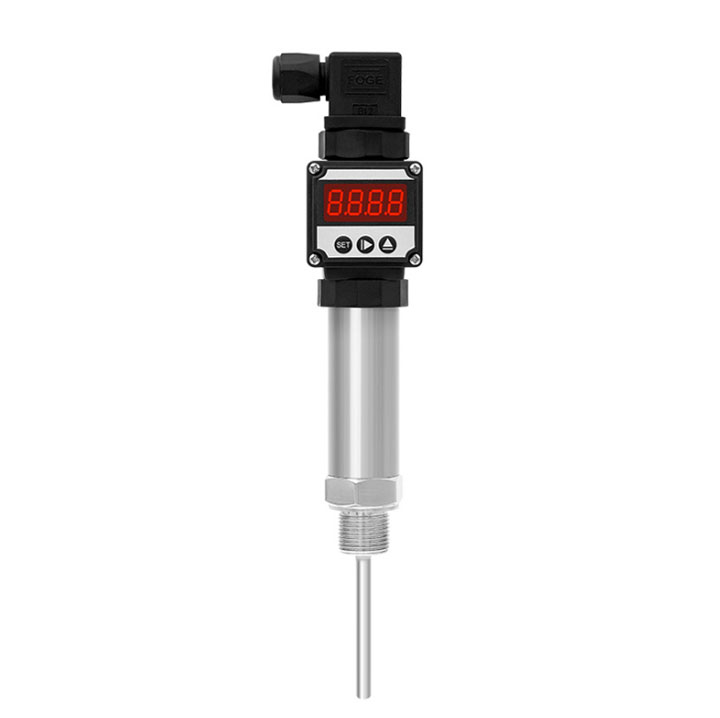
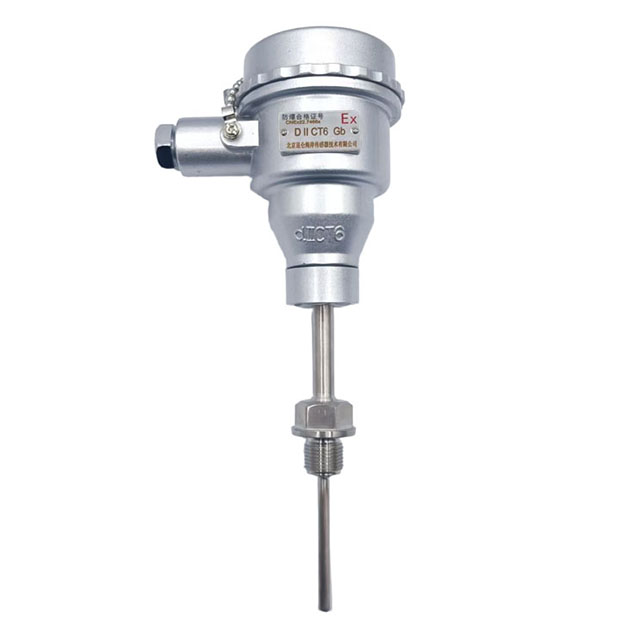
As an Industrial Grade Temperature Sensor, this device has fully sealed, potted construction that moisture cannot penetrate. The probe sheath is made of corrosion-resistant materials rated for high pressure. This sensor can survive underground burial, outdoor weather, and chemical exposure that would destroy a standard sensor.
For Energy System Temperature Monitoring, this device provides the accurate supply and return temperature readings that energy calculations depend on. Reliable Energy System Temperature Monitoring requires stable, drift-free performance over years of service.
The sensing element inside is an NTC Pipeline Temperature Sensor, which uses a Negative Temperature Coefficient thermistor that changes resistance predictably with temperature. The NTC Pipeline Temperature Sensor offers excellent sensitivity and good accuracy at a lower cost than RTD alternatives.
If you are asking "What sensor should I use for water pipe temperature monitoring in harsh conditions?" the answer is this Industrial Grade Temperature Sensor with NTC Pipeline Temperature Sensor element for Energy System Temperature Monitoring.
Why Is Accurate Temperature Monitoring So Important for Energy Systems?
Water is the primary medium for transporting thermal energy in industrial facilities. The difference between supply and return water temperature tells you exactly how much energy your system is moving. This temperature difference is the foundation of Energy System Temperature Monitoring.
Accurate Energy System Temperature Monitoring allows you to calculate thermal energy consumption, optimize pump speed, stage chillers and boilers efficiently, and verify the performance of heat exchangers. When your temperature readings are off by even 1°C, your energy calculations can be wrong by 5 to 10 percent. Over a year, that translates into tens of thousands of dollars in wasted energy.
This Industrial Grade Temperature Sensor with its NTC Pipeline Temperature Sensor element provides the accuracy you need for reliable Energy System Temperature Monitoring.
If you are asking "Why does water pipe temperature accuracy matter so much?" the answer is that Energy System Temperature Monitoring is the basis for every energy decision you make.
How Does the NTC Pipeline Temperature Sensor Work?
The sensing heart of this device is an NTC Pipeline Temperature Sensor. NTC stands for Negative Temperature Coefficient. As temperature increases, the resistance of the NTC Pipeline Temperature Sensor decreases.
The NTC Pipeline Temperature Sensor is made of semiconductor materials formulated for precise resistance-temperature characteristics. This NTC Pipeline Temperature Sensor offers very high sensitivity. A small change in temperature produces a large change in resistance, making it ideal for Energy System Temperature Monitoring where you need to detect small temperature differences between supply and return.
The NTC Pipeline Temperature Sensor inside this Industrial Grade Temperature Sensor is factory calibrated, and your building management system uses that calibration curve to convert resistance to temperature.
What Makes This an Industrial Grade Temperature Sensor?
A standard temperature sensor might work in a clean laboratory, but put it on a pipe in a chemical plant, and it will fail quickly. This Industrial Grade Temperature Sensor is built differently.
This Industrial Grade Temperature Sensor has fully sealed, potted construction with an IP67 or IP68 rating. Moisture cannot enter through the cable entry or housing seams. The probe sheath is made of corrosion-resistant 316L stainless steel, with Hastelloy or titanium options for aggressive water chemistry. This Industrial Grade Temperature Sensor is rated for system pressures up to 40 bar and covers temperatures from -50°C to +150°C.
For Energy System Temperature Monitoring, the long-term stability of this Industrial Grade Temperature Sensor means it drifts less than 0.1°C per year, minimizing calibration requirements.
How Do I Install This Sensor on a Water Pipe?
There are two common installation methods: immersion and surface mount.
Immersion installation is the most accurate. A thermowell is welded or threaded into the pipe, and the sensor slides into the thermowell with the tip immersed directly in the water flow. For Energy System Temperature Monitoring, immersion is the gold standard.
Surface mount installation straps the sensor to the outside of the pipe. The sensor measures the pipe wall temperature. With proper thermal paste and insulation, surface mount can achieve accuracy within 0.2°C to 0.5°C of an immersion sensor.
For this NTC Pipeline Temperature Sensor, surface mount requires careful attention to thermal contact. The NTC Pipeline Temperature Sensor tip must be pressed firmly against the pipe wall with thermal conductive paste, and insulation over the sensor prevents ambient air from affecting the reading.
How Do I Choose the Right Sheath Material for Corrosive Water?
Choosing the wrong sheath material will lead to corrosion and premature failure of your Industrial Grade Temperature Sensor.
316L stainless steel is the standard choice for most water applications, resisting corrosion from fresh water, chilled water, hot water, and treated water.
Hastelloy C276 is the choice for aggressive water chemistry with high chloride levels, such as seawater or cooling tower water with poor treatment.
Titanium is the ultimate choice for the most aggressive environments, including seawater, brine, and chemical-laden water.
For Energy System Temperature Monitoring in district heating networks, 316L is typically sufficient. For industrial processes with unknown water chemistry, choose Hastelloy or titanium.
What About Pressure Rating?
The pressure rating of your Industrial Grade Temperature Sensor must match or exceed the maximum pressure of your system. For building HVAC systems, pressures range from 3 to 10 bar. For industrial systems, pressures can reach 20 to 40 bar or higher.
For high-pressure applications, choose this Industrial Grade Temperature Sensor with a welded thermowell and threaded connection rated to the system pressure. The NTC Pipeline Temperature Sensor element inside is protected by the thermowell and sheath.
How Do I Handle Long Cable Runs?
In large facilities, the sensor may be hundreds of meters away from the controller. Long cable runs can degrade signal quality.
For this NTC Pipeline Temperature Sensor, the sensor output is resistance, and cable resistance adds to the sensor resistance, causing error. For long runs, connect this NTC Pipeline Temperature Sensor to a transmitter that converts the resistance signal to a 4-20mA current loop, which is immune to cable resistance.
For the RTD version of this Industrial Grade Temperature Sensor, use a three-wire or four-wire configuration to cancel out lead wire resistance.
What Are the Common Applications?
This Industrial Grade Temperature Sensor with NTC Pipeline Temperature Sensor element is used throughout industry for Energy System Temperature Monitoring.
-
District heating networks: Monitoring supply and return water temperature for thermal energy billing
-
Chilled water systems: Monitoring chiller supply and return temperatures for efficiency calculations
-
Heat pump systems: Measuring evaporator and condenser water temperatures for performance monitoring
-
Industrial cooling loops: Monitoring cooling water temperatures for process control
-
Solar thermal systems: Measuring collector outlet and storage tank temperatures
-
Boiler systems: Monitoring boiler supply and return temperatures
Technical Specifications
-
Product Type: Industrial Grade Temperature Sensor for harsh water pipe environments
-
Sensor Element: NTC Pipeline Temperature Sensor (NTC thermistor)
-
Application Focus: Energy System Temperature Monitoring
-
Sheath Material: 316L stainless steel, Hastelloy C276, or titanium
-
Process Connection: Threaded, flanged, or welded thermowell
-
Pressure Rating: Up to 40 bar
-
Temperature Range: -50°C to +150°C
-
Sealing: IP67 or IP68 fully potted
-
Output: Resistance or 4-20mA with transmitter
Frequently Asked Questions
Q: What is the difference between this sensor and a standard sensor?
A: This is an Industrial Grade Temperature Sensor with sealed construction, pressure-rated materials, and corrosion-resistant sheath. It is designed for harsh environments where standard sensors fail.
A: This is an Industrial Grade Temperature Sensor with sealed construction, pressure-rated materials, and corrosion-resistant sheath. It is designed for harsh environments where standard sensors fail.
Q: Why use an NTC Pipeline Temperature Sensor inside this device?
A: The NTC Pipeline Temperature Sensor offers excellent sensitivity and good accuracy at a lower cost than RTDs, making it ideal for Energy System Temperature Monitoring.
A: The NTC Pipeline Temperature Sensor offers excellent sensitivity and good accuracy at a lower cost than RTDs, making it ideal for Energy System Temperature Monitoring.
Q: How does Energy System Temperature Monitoring benefit from this sensor?
A: Energy System Temperature Monitoring relies on accurate supply and return readings. This Industrial Grade Temperature Sensor with NTC Pipeline Temperature Sensor element provides the accuracy you need for correct energy calculations.
A: Energy System Temperature Monitoring relies on accurate supply and return readings. This Industrial Grade Temperature Sensor with NTC Pipeline Temperature Sensor element provides the accuracy you need for correct energy calculations.
Q: Can I use this sensor for high-temperature water above 100°C?
A: Yes. This Industrial Grade Temperature Sensor with NTC Pipeline Temperature Sensor is rated to 150°C. For higher temperatures, an RTD version is available.
A: Yes. This Industrial Grade Temperature Sensor with NTC Pipeline Temperature Sensor is rated to 150°C. For higher temperatures, an RTD version is available.
Q: How long will this sensor last?
A: A properly specified Industrial Grade Temperature Sensor for Energy System Temperature Monitoring should last 5 to 10 years in most industrial applications.
A: A properly specified Industrial Grade Temperature Sensor for Energy System Temperature Monitoring should last 5 to 10 years in most industrial applications.
Conclusion
Accurate water pipe temperature monitoring in harsh environments does not have to be a constant struggle. This single device is your solution. It is an Industrial Grade Temperature Sensor built for pressure, moisture, and corrosion. It uses an NTC Pipeline Temperature Sensor element for accurate, cost-effective measurement. And it is designed specifically for Energy System Temperature Monitoring applications.
Stop replacing failed sensors. Choose the right sensor for your water pipe application.
Contact Kunlun Zhongda today. Get expert advice on selecting this Industrial Grade Temperature Sensor with NTC Pipeline Temperature Sensor element for your Energy System Temperature Monitoring needs. Let us help you tackle the challenge of water pipe temperature measurement in harsh environments.
Technical Service Hotline: 13220160485
Online Consultation: 24/7 professional technical support on the official website
View more from YouTube.
Looking for a reliable partner in industrial temperature measurement? The threaded fixed-lead thermocouple selection guide provides professional solutions.
How can industrial environmental monitoring achieve stable transmission and precise sensing? The 4-20mA duct-type temperature and humidity sensors reveal their core value.
Related blog