How to build a solid safety line for hazardous area monitoring? An in-depth analysis of the Exd II C T6 Gb explosion-proof RS485 temperature and humidity sensor.
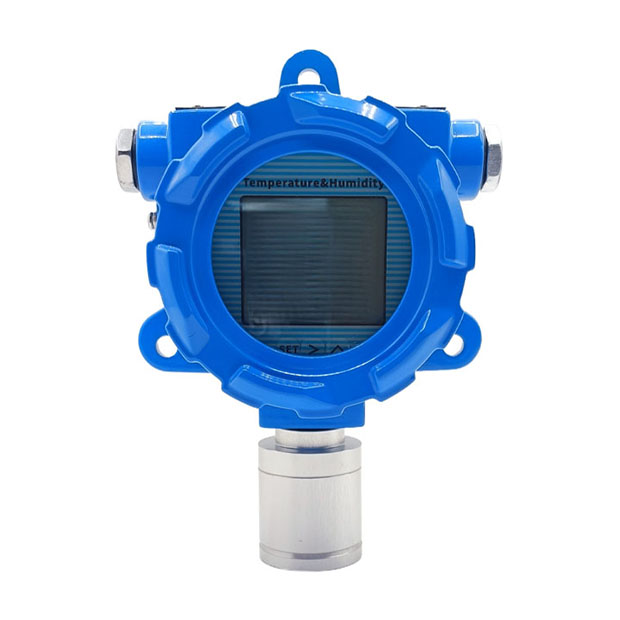
Your facility handles flammable gases. Petrochemicals, natural gas, solvents, or hydrogen. Every day, you operate in an environment where a single spark could trigger a catastrophic event. Yet you need to monitor temperature and humidity in these hazardous areas. The sensors themselves cannot become ignition sources.
This is the challenge of hazardous area monitoring. Standard sensors are not allowed. You need equipment certified for explosive atmospheres. You need a device that combines three essential features. It is a 4-20mA Explosion-Proof Transmitter that safely sends signals out of the hazardous zone. It is an Explosion-Proof Temperature and Humidity Sensor certified for use in flammable gas environments. And it is a Wide Temperature Range Explosion-Proof Sensor that covers extreme conditions from -40°C to +85°C.
Let us answer the questions you are probably already asking.
What Does Exd II C T6 Gb Mean and Why Does It Matter?
Before you can select the right sensor, you need to understand the certification markings. They tell you exactly where and how this Explosion-Proof Temperature and Humidity Sensor can be used.
Exd stands for Flameproof Enclosure. If an explosion occurs inside the sensor housing, the flameproof enclosure contains it. The hot gases cool as they pass through flame paths, so they cannot ignite the surrounding atmosphere.
This Explosion-Proof Temperature and Humidity Sensor with Exd rating is physically robust enough to withstand an internal explosion. Inside this housing is a 4-20mA Explosion-Proof Transmitter that converts measurements to safe signals.
II C indicates the gas group. Group II is for industrial gases. Subgroup C includes gases like ethylene. The highest rating is II C, which covers hydrogen and acetylene. This Wide Temperature Range Explosion-Proof Sensor with II C rating can be used in the most hazardous gas environments.
T6 is the temperature class. It means the maximum surface temperature of this Explosion-Proof Temperature and Humidity Sensor is below 85°C. T6 is the highest temperature class. This Wide Temperature Range Explosion-Proof Sensor with T6 rating is safe even in the presence of easily ignitable gases.
Gb stands for Equipment Protection Level Gb. This means this 4-20mA Explosion-Proof Transmitter is suitable for Zone 1 hazardous areas where explosive atmospheres are likely to occur during normal operation.
If you are asking "What certification do I need for my hazardous area?" the answer depends on your specific requirements. But this Exd II C T6 Gb Explosion-Proof Temperature and Humidity Sensor with 4-20mA Explosion-Proof Transmitter and Wide Temperature Range Explosion-Proof Sensor capability covers the vast majority of applications.
How Does This Explosion-Proof Temperature and Humidity Sensor Differ from a Standard Sensor?
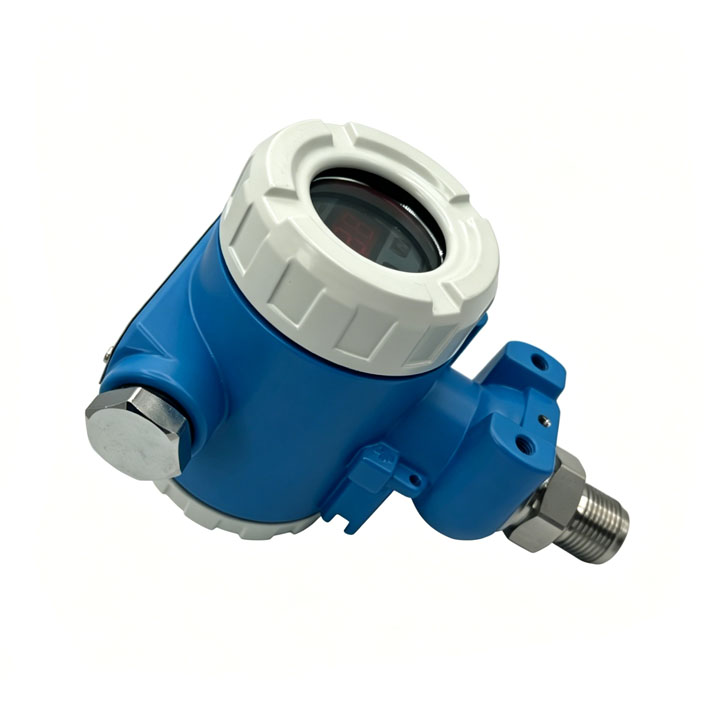
A standard sensor is not designed to contain an explosion. The electronics are exposed. A spark could ignite the surrounding atmosphere. In a hazardous area, this is unacceptable.This Explosion-Proof Temperature and Humidity Sensor is built differently. The housing is heavy-duty cast metal, typically aluminum or stainless steel. The walls are thick enough to withstand an internal explosion. Inside this Explosion-Proof Temperature and Humidity Sensor, a 4-20mA Explosion-Proof Transmitter converts the sensor readings to safe current signals.
The flame paths are precision machined so that any hot gases cool before escaping. The cable entry is also explosion-proof. Flameproof glands prevent the propagation of flames.The sensing element of this Wide Temperature Range Explosion-Proof Sensor is isolated from the electronics. This Explosion-Proof Temperature and Humidity Sensor ensures that even if the element fails, it will not cause an ignition.
The 4-20mA Explosion-Proof Transmitter inside this device outputs a current loop signal. The 4-20mA signal is inherently safer than voltage signals because the current is limited. When paired with an intrinsic safety barrier, this 4-20mA Explosion-Proof Transmitter provides an extra layer of protection.If you are asking "Can I use a standard sensor in a hazardous area?" the answer is no. You need a certified Explosion-Proof Temperature and Humidity Sensor with a 4-20mA Explosion-Proof Transmitter and Wide Temperature Range Explosion-Proof Sensor capability.
What Temperature and Humidity Range Can This Sensor Cover?
Hazardous areas are found in diverse industries. Some are cold, like outdoor LNG facilities at -40°C. Some are hot, like refinery process units near the T6 limit of 85°C. Your sensor must cover the full range of your application.This Wide Temperature Range Explosion-Proof Sensor can measure from -40°C to +85°C. The Exd II C T6 Gb rating of this Explosion-Proof Temperature and Humidity Sensor limits the surface temperature to below 85°C, but the measured temperature covers the full industrial range.
For humidity, this Wide Temperature Range Explosion-Proof Sensor measures 0 to 100 percent relative humidity. The sensing element in this Explosion-Proof Temperature and Humidity Sensor is a capacitive polymer that remains accurate across the entire temperature range.
The 4-20mA Explosion-Proof Transmitter inside this Wide Temperature Range Explosion-Proof Sensor scales the output so that 4mA equals the low end of your range and 20mA equals the high end. You can configure this Explosion-Proof Temperature and Humidity Sensor for your specific measurement needs.
If you are asking "What temperature range do I need for my hazardous area?" consider both ambient and process temperatures. This Wide Temperature Range Explosion-Proof Sensor gives you the flexibility to cover both.
Why Use a 4-20mA Explosion-Proof Transmitter in This Sensor?
In hazardous areas, the type of signal transmission matters. Voltage signals are not ideal because low energy can still create sparks. Digital signals require careful installation with intrinsic safety barriers.This Explosion-Proof Temperature and Humidity Sensor incorporates a 4-20mA Explosion-Proof Transmitter as its output stage. Here is why this 4-20mA Explosion-Proof Transmitter is the right choice for hazardous areas.
First, the 4-20mA signal from this 4-20mA Explosion-Proof Transmitter is simple and robust. The current does not change over long distances. You can run cables for hundreds of meters without signal degradation.
Second, the 4-20mA loop from this 4-20mA Explosion-Proof Transmitter can be made intrinsically safe when paired with an approved barrier. The barrier limits the energy available in the hazardous area to a level that cannot cause ignition. This Explosion-Proof Temperature and Humidity Sensor is designed to work with such barriers.Third, this 4-20mA Explosion-Proof Transmitter is easy to troubleshoot. If the current drops below 4mA, you know there is a problem. If the current is above 20mA, this Wide Temperature Range Explosion-Proof Sensor may be out of range.
Fourth, most PLCs and building management systems have 4-20mA input modules. This 4-20mA Explosion-Proof Transmitter connects directly without additional converters.
The 4-20mA Explosion-Proof Transmitter inside this Explosion-Proof Temperature and Humidity Sensor converts temperature and humidity readings into proportional 4-20mA signals. Two separate outputs are available: one for temperature and one for humidity.
If you are asking "What signal type should I use for hazardous area sensors?" the answer is 4-20mA from a 4-20mA Explosion-Proof Transmitter like the one inside this Explosion-Proof Temperature and Humidity Sensor.
How Do You Install This Explosion-Proof Temperature and Humidity Sensor?
Installation is critical for safety. Improper installation can compromise the explosion-proof integrity of this Explosion-Proof Temperature and Humidity Sensor.
First, ensure that the area is declassified before installation. The atmosphere must be verified to be non-hazardous while you work. Lockout and tagout procedures apply.
Second, mount this Explosion-Proof Temperature and Humidity Sensor securely. The housing must be grounded to prevent static discharge. The mounting bracket must be sturdy enough to hold the weight of this Wide Temperature Range Explosion-Proof Sensor.
Third, install explosion-proof cable glands at all cable entries. These glands must be certified for the same Exd II C T6 Gb rating as this Explosion-Proof Temperature and Humidity Sensor. The glands clamp the cable and seal the entry against flame propagation.
Fourth, wire the 4-20mA Explosion-Proof Transmitter inside this device to your controller. Connect the power supply (24V DC) and the 4-20mA output wires. Follow the wiring diagram provided with this Explosion-Proof Temperature and Humidity Sensor.
Fifth, seal unused cable entries with explosion-proof blanking plugs. Every opening in this Wide Temperature Range Explosion-Proof Sensor housing must be properly sealed.
Sixth, test the installation. Verify that the 4-20mA Explosion-Proof Transmitter outputs the correct signals at known temperature and humidity conditions.
If you are asking "How do I install a sensor safely in a hazardous area?" the answer is to follow the certified installation instructions for this Explosion-Proof Temperature and Humidity Sensor.
What Are the Common Applications for This Sensor?
This Explosion-Proof Temperature and Humidity Sensor with 4-20mA Explosion-Proof Transmitter and Wide Temperature Range Explosion-Proof Sensor capability is used across many hazardous industries.
-
Oil and gas refineries: Monitoring process temperatures and ambient humidity in distillation units, cracking furnaces, and storage tanks. This Explosion-Proof Temperature and Humidity Sensor withstands the harsh refinery environment.
-
Chemical plants: Measuring reactor temperatures and dryer exhaust humidity. The 4-20mA Explosion-Proof Transmitter sends signals safely to the control room.
-
Pharmaceutical manufacturing: Monitoring solvent recovery systems and drying processes. This Wide Temperature Range Explosion-Proof Sensor covers both cold and hot conditions.
-
Paint and coating facilities: Tracking booth temperature and humidity to ensure product quality while preventing ignition. This Explosion-Proof Temperature and Humidity Sensor is certified for solvent vapors.
-
LNG terminals: Monitoring cryogenic storage temperatures. The Wide Temperature Range Explosion-Proof Sensor version of this device can measure down to -40°C or lower with special probes.
-
Mining: Measuring environmental conditions in underground coal mines where methane may be present. This Explosion-Proof Temperature and Humidity Sensor provides critical safety data.
-
Wastewater treatment: Monitoring digester gas areas where methane accumulates. The 4-20mA Explosion-Proof Transmitter reliably sends data to the central SCADA system.
In every application, this Explosion-Proof Temperature and Humidity Sensor with 4-20mA Explosion-Proof Transmitter and Wide Temperature Range Explosion-Proof Sensor capability provides the safety and reliability that hazardous areas demand.
How Do You Maintain an Explosion-Proof Temperature and Humidity Sensor?
Regular maintenance ensures that this Explosion-Proof Temperature and Humidity Sensor continues to operate safely.
First, inspect the housing regularly. Look for cracks, corrosion, or damage to the flameproof enclosure. Any damage to this Explosion-Proof Temperature and Humidity Sensor housing requires immediate replacement.
Second, check the cable glands. Ensure they are tight and undamaged. Loose glands can compromise the flameproof integrity of this Wide Temperature Range Explosion-Proof Sensor.
Third, verify the calibration of this Explosion-Proof Temperature and Humidity Sensor annually. Use a calibrated reference to check the 4-20mA Explosion-Proof Transmitter output at known temperature and humidity points.
Fourth, clean the sensor probe periodically. Dust or coating on the probe can affect the accuracy of this Wide Temperature Range Explosion-Proof Sensor. Use a soft cloth and mild solvent appropriate for the environment.
Fifth, test the 4-20mA Explosion-Proof Transmitter loop. Measure the current at the controller end. It should match the current at the sensor end. Discrepancies indicate wiring problems.
If you are asking "How do I keep my hazardous area sensor safe over time?" the answer is regular inspection and calibration of this Explosion-Proof Temperature and Humidity Sensor.
Technical Specifications
-
Product Type: Explosion-Proof Temperature and Humidity Sensor with Exd II C T6 Gb certification
-
Output Stage: 4-20mA Explosion-Proof Transmitter with two independent outputs
-
Temperature Capability: Wide Temperature Range Explosion-Proof Sensor from -40°C to +85°C
-
Humidity Range: 0 to 100 percent RH
-
Temperature Accuracy: ±0.3°C
-
Humidity Accuracy: ±2 percent RH
-
Output Signals: Two 4-20mA current loops (one for temperature, one for humidity)
-
Power Supply: 24V DC (10-30V DC)
-
Enclosure Material: Cast aluminum or stainless steel
-
Enclosure Rating: IP66/IP67
-
Cable Entry: Two M20 or 1/2 NPT explosion-proof threads
-
Certification: Exd II C T6 Gb (ATEX, IECEx, or CSA)
-
Probe Material: 316L stainless steel
-
Response Time: τ63 < 15 seconds for temperature, < 8 seconds for humidity
Frequently Asked Questions
Q: What is this product? Does it have multiple names?
A: Yes. This one device is a 4-20mA Explosion-Proof Transmitter because of its output. It is an Explosion-Proof Temperature and Humidity Sensor because of its certification and function. And it is a Wide Temperature Range Explosion-Proof Sensor because it covers -40°C to +85°C.
A: Yes. This one device is a 4-20mA Explosion-Proof Transmitter because of its output. It is an Explosion-Proof Temperature and Humidity Sensor because of its certification and function. And it is a Wide Temperature Range Explosion-Proof Sensor because it covers -40°C to +85°C.
Q: Why is the 4-20mA Explosion-Proof Transmitter inside this sensor important?
A: The 4-20mA Explosion-Proof Transmitter allows safe signal transmission out of the hazardous area. Current loops are inherently safer than voltage signals and can be made intrinsically safe with a barrier.
A: The 4-20mA Explosion-Proof Transmitter allows safe signal transmission out of the hazardous area. Current loops are inherently safer than voltage signals and can be made intrinsically safe with a barrier.
Q: What makes this a Wide Temperature Range Explosion-Proof Sensor?
A: This Wide Temperature Range Explosion-Proof Sensor measures from -40°C to +85°C, covering cold outdoor LNG terminals to hot refinery process units. The T6 temperature class keeps the surface temperature below 85°C.
A: This Wide Temperature Range Explosion-Proof Sensor measures from -40°C to +85°C, covering cold outdoor LNG terminals to hot refinery process units. The T6 temperature class keeps the surface temperature below 85°C.
Q: Can I use this Explosion-Proof Temperature and Humidity Sensor in Zone 0?
A: This Explosion-Proof Temperature and Humidity Sensor with 4-20mA Explosion-Proof Transmitter is rated for Zone 1 and Zone 2. For Zone 0, an intrinsically safe sensor (Ex ia) would be required.
A: This Explosion-Proof Temperature and Humidity Sensor with 4-20mA Explosion-Proof Transmitter is rated for Zone 1 and Zone 2. For Zone 0, an intrinsically safe sensor (Ex ia) would be required.
Q: How do I connect the 4-20mA Explosion-Proof Transmitter to my PLC?
A: Connect the 24V DC power supply and the 4-20mA output wires from this Explosion-Proof Temperature and Humidity Sensor to your PLC analog input module. The 4-20mA Explosion-Proof Transmitter loop is straightforward.
A: Connect the 24V DC power supply and the 4-20mA output wires from this Explosion-Proof Temperature and Humidity Sensor to your PLC analog input module. The 4-20mA Explosion-Proof Transmitter loop is straightforward.
Q: What is the lifespan of this Wide Temperature Range Explosion-Proof Sensor?
A: A quality Explosion-Proof Temperature and Humidity Sensor with 4-20mA Explosion-Proof Transmitter can last 10 years or more in normal service. Regular calibration extends the life of this Wide Temperature Range Explosion-Proof Sensor.
A: A quality Explosion-Proof Temperature and Humidity Sensor with 4-20mA Explosion-Proof Transmitter can last 10 years or more in normal service. Regular calibration extends the life of this Wide Temperature Range Explosion-Proof Sensor.
Conclusion
Building a solid safety line for hazardous area monitoring starts with the right equipment. This single device is your solution. It is a 4-20mA Explosion-Proof Transmitter that safely sends signals out of the hazardous zone. It is an Explosion-Proof Temperature and Humidity Sensor certified for use in flammable gas environments. And it is a Wide Temperature Range Explosion-Proof Sensor that covers extreme conditions from -40°C to +85°C.
Stop compromising on safety. Stop using uncertified sensors in hazardous areas. Choose this Exd II C T6 Gb certified Explosion-Proof Temperature and Humidity Sensor with 4-20mA Explosion-Proof Transmitter and Wide Temperature Range Explosion-Proof Sensor capability.
Contact Kunlun Zhongda today. Get expert advice on selecting this 4-20mA Explosion-Proof Transmitter as an Explosion-Proof Temperature and Humidity Sensor with Wide Temperature Range Explosion-Proof Sensor capability for your hazardous area application. Let us help you build a solid safety line for your facility.
Safety Compliance Hotline: 13220160485
Technical Documentation: Available for download on our website
Technical Documentation: Available for download on our website
View more from YouTube.
A Complete Guide to Pipeline Temperature Measurement: How to Choose the Most Suitable Sheathed RTD for Water Systems
How can temperature and humidity monitoring in hazardous areas be both safe and accurate? The application practices of the CT6 intrinsically safe explosion-proof transmitter provide a complete guide.
Related blog