Application of Temperature Sensors in Multistage High Pressure Pumps
author: KLZD
2026-09-15
Why Multistage High-Pressure Pumps Need Temperature Sensors
Multistage high pressure pumps are key equipment in industries such as power, petrochemicals, and metallurgy, with a discharge pressure of tens of megapascals and a single power of hundreds to thousands of kilowatts. Compared to ordinary centrifugal pumps, multistage high pressure pumps have higher priority for temperature monitoring for three reasons below.
1. High Axial Thrust
The cumulative axial thrust generated by the series connection of multistage impellers can reach several tons to tens of tons. Thrust bearings bear extremely high loads, and temperature sensor can reflect the most directly measurable parameter of their health status. After the failure of the thrust bearing, the rotor can move several millimeters within seconds, resulting in complete damage to the inter stage seal.
2. High Medium Temperature
The medium temperature of boiler feedwater pump is 150-200°C, the main pump of nuclear power is 280-320°C, and the heat transfer oil pump can reach over 300°C. Under high temperature conditions, the temperature margin of bearings, seals, and motor windings is smaller, and higher monitoring accuracy by temperature sensor is required.
3. Low Flow Thermal Risk
Under low flow conditions, most of the power of multistage high pressure pumps is converted into thermal energy to heat the medium. When the outlet temperature is more than 15°C higher than the inlet temperature, it may cause medium vaporization, rotor thermal bending, and inter stage seal abrasion. Temperature sensor is the core judgment for small flow protection.
What Are The Key Monitoring Points Of Temperature Sensor
1.Thrust Bearing Metal Temperature
This is the highest priority measurement point of temperature sensor for monitoring thrust bearing metal temperature. The most dangerous failure mode of the multistage high pressure pump is the collapse of the thrust bearing. Each thrust bearing is equipped with at least two Pt100 sensors. For tilting pad thrust bearings, one Pt100 sensor should be installed at the center of the back of each active pad. For fixed pad thrust bearings, two to four Pt100 sensors should be installed on the load-bearing area of the pad surface.
2.Radial Bearing Metal Temperature
Configuration requirements of radial bearing are that one Pt100 temperature sensor each for the drive end and non-drive end. Rolling bearings do not be recommended to embedded temperature sensors monitoring due to structural limitation, and Pt100 temperature sensors are attached to the outer surface of the bearing housing, with measured values lower than the inner ring temperature.
3.Process Inlet&Outlet Medium Temperature
Temperature sensors will monitor small flow temperature rises and evaluate the impact of thermal expansion on rotor alignment. The configuration requirements of temperature sensors monitoring is that one Pt100 with thermal protection sleeve at each inlet and outlet.
4.Seal Flush Fluid Temperature
For high temperature multistage pumps with above 150°C medium temperature by using temperature sensors. It is necessary to monitor the temperature of the sealing flushing liquid to prevent vaporization of the liquid film on the sealing end face. The configuration requirements of temperature sensors monitoring is to install Pt100 sensors at the inlet and outlet of the sealing flushing liquid circuit to monitor temperature differences. An increase in temperature difference indicates increased heating of the sealing end face.
5.Motor Winding Temperature
High-power motors above 250kW require temperature sensor to monitor stator winding temperature. The configuration requirements of temperature sensors monitoring is to embed Pt100 at the end of the stator winding, 1pc to 3pcs per phase and embed Pt100 one each for the drive end and non-drive end to monitor motor bearing temperature.
6.Balance Chamber Temperature
This is the measuring point for the temperature sensor unique to multi-stage high-pressure pumps. The balancing disc or drum relies on medium lubrication for cooling, and the temperature sensor will monitor the temperature of the balancing chamber. An increase in the temperature of the balancing chamber indicates an increase in the clearance of the balancing disc or insufficient cooling flow. The configuration requirements of temperature sensors monitoring is that Pt100 with thermal protection sleeve will install in the balancing pipeline. The increasing trend of balancing chamber temperature and decreasing pressure difference in the balancing chamber means increasing wear of the balancing disc.
Summary
The core application of temperature sensors in multi-stage high-pressure pumps lies not in "measuring how many temperatures", but in three layers of progression:
Layer 1: Know the temperature
The multistage high-pressure pumps embed Pt100 with high precision Class A.
Layer 2: Predict what temperature will become
The multistage high-pressure pumps have LSTM 4-hour prediction, 4-hour window beyond the threshold alarm.
Layer 3: Multi-parameters fusion for root cause judgment
Triangular fusion of temperature, axial displacement and balance chamber pressure will be the only reliable method to detect thrust bearing collapse.
From passive alarm to proactive prediction, from single-point measurement to multi-parameter fusion, that is the technical foundation for the shift from "scheduled maintenance" to "predictive maintenance" by using temperature sensors in multistage high pressure pumps.
Application of Temperature Sensors in Centrifugal Pumps
Related Article
The value of temperature sensor monitoring lies not in "knowing the current temperature" but in "predicting what it will become",from passive alarm to proactive prediction, this is the technical foundation of the shift from scheduled to predictive maintenance.
Application of Temperature Sensors in Centrifugal Pumps
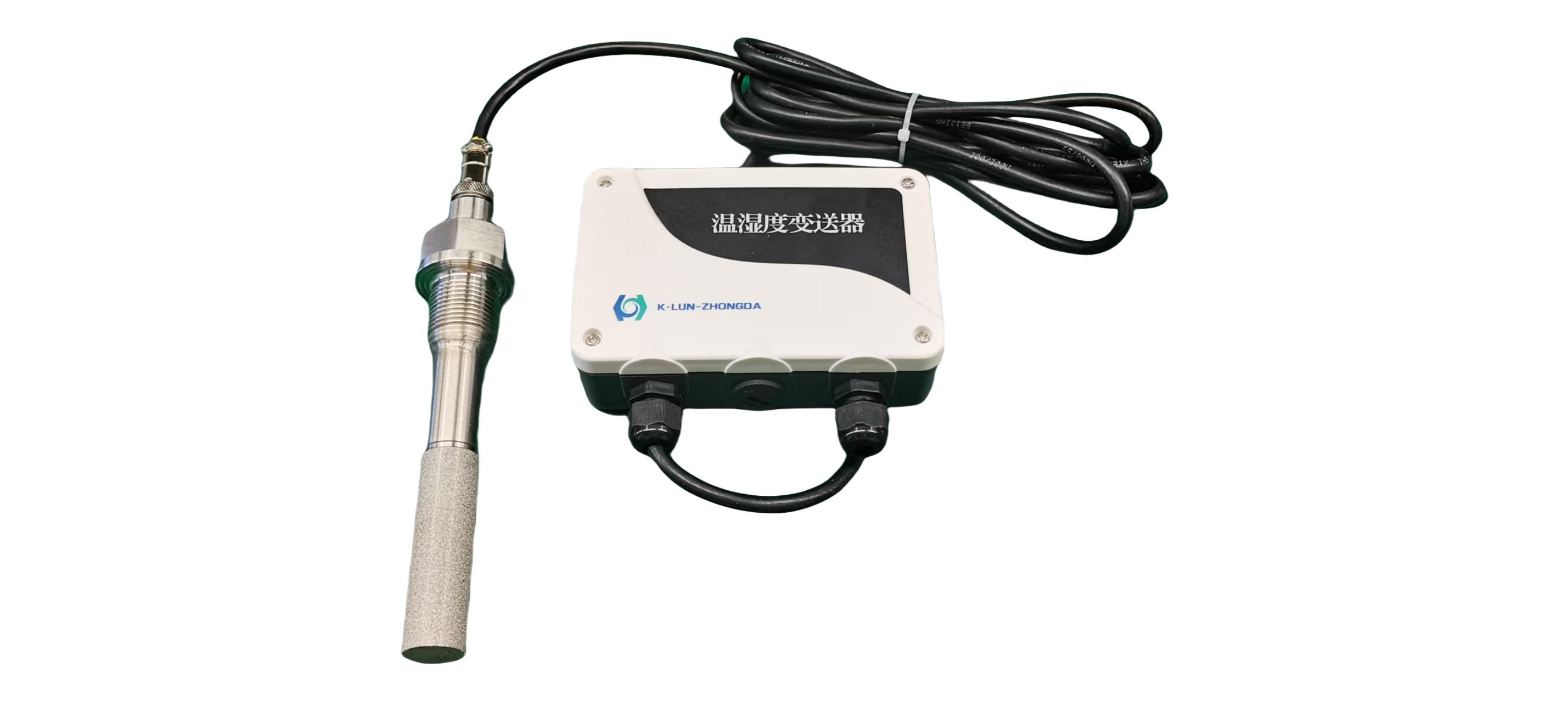
In the world of industrial pumps, temperature is the thermometer of equipment health, humidity is the alarm of environmental safety, and dew point is the countdown to condensatio. The high temperature and humidity transmitters holds all three keys. It's not just a "temperature and humidity measuring device," but a pump's "health monitor" and a pump station's "safety controller."
Application of High Temperature and Humidity Transmitters in Industrial Pumps
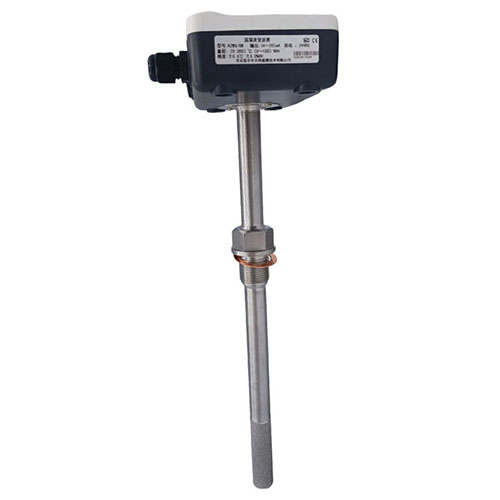
Pipe temperature sensors are sensing devices specifically designed for installation on industrial pipelines to monitor the temperature of the media flowing inside in real time.
Application of Pipe Temperature Sensors in AI Electric Equipment
Temperature sensors applications in downstream pumps have evolved from simple "over-temperature trip" protection into a "multi-dimensional temperature sensing system" covering bearings, seals, media, motors, and cooling circuits.
Pump Temperature Sensor Application on Various Pumps in Downstream