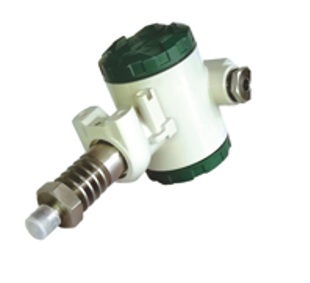

Application of High-Temperature Pressure Transmitters in Pharmaceutical Reactors and Bioreactors
High-temperature pressure transmitters are widely used in pharmaceutical reactors and bioreactors to monitor vessel pressure, support reaction and fermentation control, protect sterile barriers, and provide traceable data for GMP, FDA, and ASME BPE compliance. In pharmaceutical reactors, pressure measurement supports chemical synthesis, crystallization, distillation, CIP/SIP, and overpressure protection. In pharmaceutical bioreactors, pressure measurement supports dissolved-oxygen control, sterile air supply, off-gas control, foam management, and sterile barrier monitoring. High‑temperature pressure transmitters are used for real‑time online pressure monitoring inside reactors and bioreactors. High‑precision pressure measurement ensures stable reaction conditions, protects cell activity, improves product yield, and fully meets pharmaceutical industry regulatory requirements. The measurement signal can be transmitted to PLC and SCADA system, realizing automatic control, data recording and production traceability for the whole process.
What is The Application of High-temperature Pressure Transmitter in Pharmaceutical Reactors?
Pharmaceutical reactors are used for synthesis, hydrogenation, crystallization, distillation, and solvent recovery. Pressure is a key process variable because it affects reaction rate, boiling point, phase stability, solvent retention, and equipment safety. The pharmaceutical reactors require reliable pressure monitoring by high-temperature pressure transmitter for pressure control, vent filtration, oxygen supply, and process safety.
In pharmaceutical reactors, high-temperature pressure transmitters are used for reaction vessel pressure monitoring, distillation, solvent recovery, and SIP control.
What is The Application of High-Temperature Pressure Transmitter in Pharmaceutical Bioreactors ?
Bioreactors require stable sterile pressure to maintain cell viability, oxygen transfer, foam control, and contamination protection. Pressure is typically monitored by high-temperature pressure transmitter at the headspace, gas inlet, gas outlet, sparger line, and jacket or heat-exchange circuits.
In bioreactors, they support headspace pressure control, dissolved oxygen regulation, off-gas analysis, and filtration monitoring.
What is The Installation and Maintenance of High-Temperature Pressure Transmitter in Pharmaceutical Reactors and Bioreactors?
The high-temperature pressure transmitter should be mounted according to hygienic design principles and calibrated regularly. Proper installation is essential to avoid dead legs and ensure the drainability. During maintenance, inspection of diaphragm condition, sealing integrity, and zero-point stability is recommended. Documentation and traceability should meet regulatory expectations.
What Are The Key Challenges?
The main challenges include thermal effects on sensor accuracy, condensation in dead legs, corrosion from aggressive media, and contamination risk. Hygienic design requires flush diaphragms, crevice-free connections, and suitable surface finishes. Materials such as 316L stainless steel, Hastelloy, and approved elastomers are often required. The high-temperature pressure transmitter should also comply with GMP, FDA, and EHEDG requirements where applicable. For bioreactors, pressure data should be ensured to support sterile air supply, contamination control, and filtration integrity monitoring. Accurate pressure measurement helps maintain process reproducibility and product quality.
Pharmaceutical reactors and bioreactors are core equipment for chemical synthesis, cell culture and biopharmaceutical production. The whole production process has extremely strict requirements for pressure stability, high temperature resistance and sanitary performance. Slight pressure deviation may lead to batch failure or product quality defects.
Summary
High-temperature pressure transmitters are critical instruments in pharmaceutical reactors and bioreactors. They must provide accurate pressure measurement under steam sterilization, clean-in-place/sterilization-in-place (CIP/SIP), and bioprocess conditions while meeting hygienic design and regulatory requirements.
During SIP, transmitters may be exposed to saturated steam at 121–134 °C, and sometimes higher temperatures. Therefore, high-temperature pressure transmitters must maintain accuracy, stability, and hygienic integrity throughout repeated sterilization cycles.
In pharmaceutical reactors and bioreactors, high‑temperature pressure transmitters deliver reliable pressure monitoring. Resistant to high‑temperature sterilization, hygienic design guarantees product purity, supports automated process control for biopharmaceutical manufacturing.
High-temperature pressure transmitters play an important role in pharmaceutical reactors and bioreactors. By selecting hygienic, temperature-resistant, and regulatory-compliant instruments, manufacturers can improve process reliability, safety, and product quality.
Application of High-Temperature Pressure Transmitters in Pharmaceutical Moist-Heat and Dry-Heat Sterilizer Systems
Related Article